Sridhar Sahu
Skip to content

01Full-Stack Engineer, Bangalore

Sridhar
Sahu

I build the systems behind the screen: payment webhooks, real-time channels, and the queues nobody sees. Two production platforms, shipped end to end.

  • 2.5 years in production
  • Java, Spring Boot
  • React, Node
  • Open to roles

02Origin, 2018 to 2021

I started with
gears, not code.

A diploma first, then a B.Tech in Mechanical Engineering. Load paths, tolerances, failure modes. A system is only as strong as the joint nobody checked.

That habit did not go away when the material changed. It just started pointing at retries, timeouts and the third-party callback that arrives twice.

  • Diploma, Mechanical
  • B.Tech, Mechanical
  • Tolerance stacks
  • Failure analysis

03The switch, 2023

Same discipline.
New material.

No CS degree. No bootcamp. 200+ DSA problems, consistent top-5 finishes out of 1000+ in Newton School contests, then production code on day one.

04Frontend Developer, Dec 2023 to Jan 2025

Fly Realty

Fly Realty

A lead management system with timeline views, callbacks and activity logs. Then a single panel unifying Voice, WhatsApp and WebSocket chat, so a conversation never restarted from zero.

-60%
Missed follow-ups, after timeline views and callback scheduling
-45%
Admin time, once activity logs replaced manual reporting
+60%
Payment collection, through in-app follow-up and reminders
<2s
Page load, down from 5s, via code-splitting and lazy-loading

05Full Stack Developer, Jan 2025 to present

The
HouseKraft

Spring Boot 3 over dual MySQL and MongoDB, driving CRM, quotations, orders, approvals, payments and support in one platform.

Live channels

SSE for notifications and WebSocket over STOMP for live project timelines, so a site update lands on the customer's screen without a refresh. JWT sessions are clustered on Hazelcast, which keeps a logged-in user logged in across instances.

Money and voice

Cashfree payments reconciled through webhooks, Exotel voice callbacks, and AWS S3, SQS, SES and RDS underneath.

Product surface

A Gemini-backed AI design tool with credit accounting, React Three Fiber 3D previews inside the quotation builder, and a customer PWA instrumented with Sentry.

06Shipped and live

Things you can open.

01

Genio V2

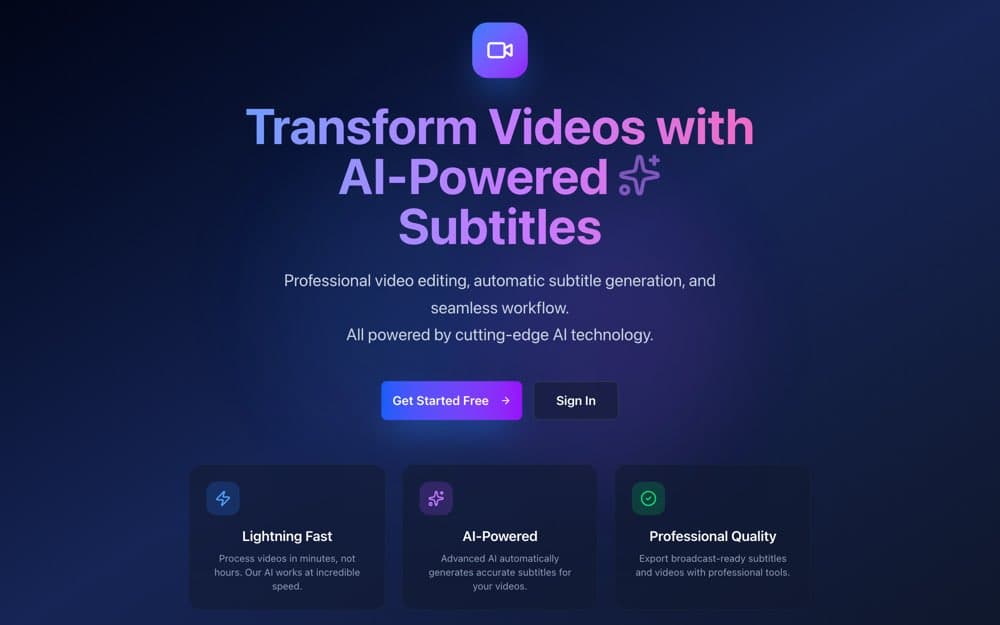
The Genio V2 landing screen: a dark blue interface headed Transform Videos with AI-Powered Subtitles, with Get Started Free and Sign In buttons above three feature panels.

AI video subtitling wrapped around an editing workflow: upload, transcribe, correct the timing, export broadcast-ready captions and video.

Next.js / AI transcription / Vercel

genio-v2.vercel.app

02

ChatVibe

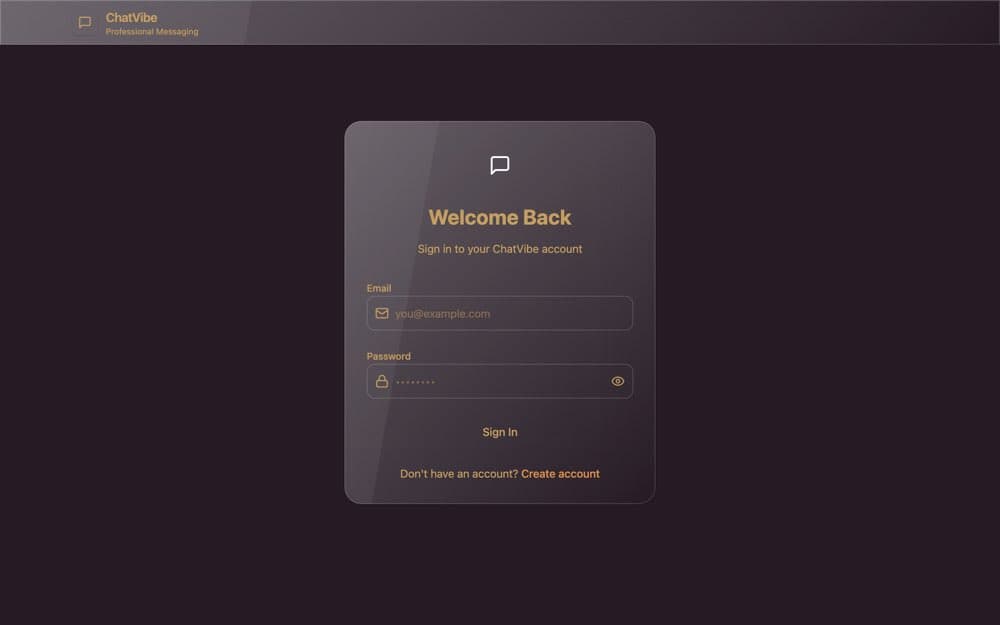
The ChatVibe sign-in screen: a dark amber-tinted card headed Welcome Back with email and password fields.

Real-time messaging scaled horizontally over Redis pub/sub, with multilingual translation and typing indicators held in Zustand.

Node / Socket.IO / Redis / Zustand

chat-app-u3ob.onrender.com

03

Quora Clone

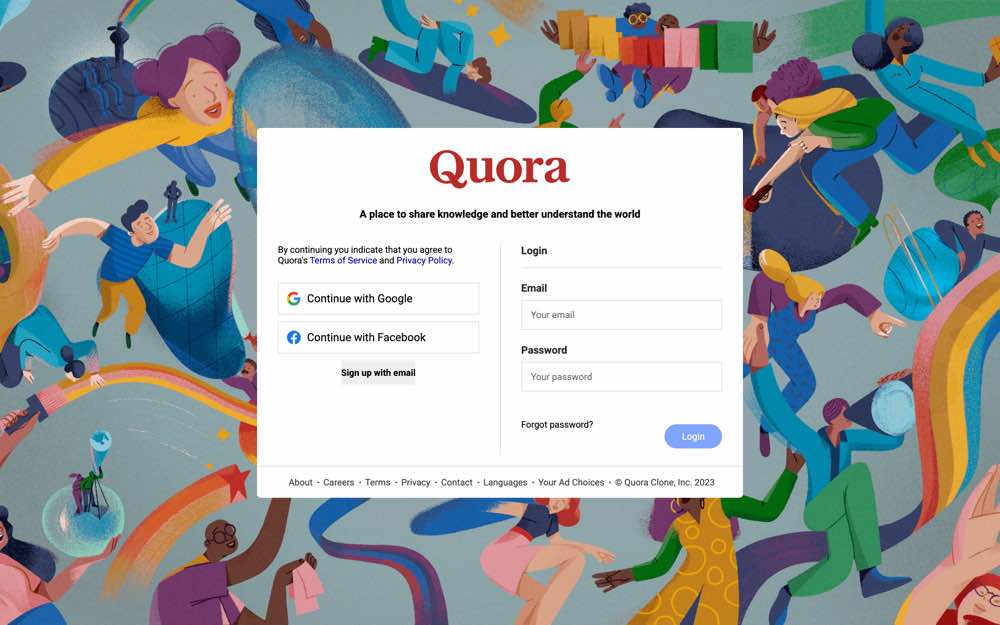
The Quora Clone entry screen: a white login card over the illustrated Quora background, with Google and Facebook sign-in options.

Nested answers and upvotes over an infinite scroll on a virtualised list, with Firebase pushing notifications.

React / Firebase / Virtualised list

quora-clone-six.vercel.app

ChatVibe and the Quora clone open on their sign-in screens, which is what the live deployments actually serve.

07Contributions, 2025 to 2026

Most of the year
is not public.

GitHub counts 82 public contributions in the last year. Across the same window I put 1912 commits into three private repositories at work, and DevContext is private too. What follows is the part of the year that happens to be visible, not the part that happened.

82
public contributions
1912
commits, private repos
32
days with public activity
LessMore

github.com/SridharSahu-1, personal account. 2025-09-07 to 2026-09-05, read on 2026-09-09.

08Now, September 2026
Where my
attention is.

Low-level design
Working through it properly rather than by pattern-matching: object modelling, where the SOLID principles actually earn their cost, and the class-level calls that decide whether a system can still be changed a year later. It is the same question the mechanical work trained me to ask, which is which joint fails first, pointed at code instead of a load path.
DevContext
A self-hosted system that watches what I actually do at a machine, commits, terminal history and which application has focus, and turns it into daily briefings and weekly reports instead of leaving it in scrollback. A local daemon collects, a redaction pass strips keys and tokens before anything is written, and it all lands in SQLite on my own hardware rather than someone else's.A TypeScript monorepo: daemon, API and dashboard over one shared types package, with queue-backed workers and a provider fallback chain that keeps the whole thing running on free tiers. It is not finished and there is nothing to open yet, so it stays here rather than in the shipped chapter, and it moves down there when there is a running deployment to point at.
Exploring opportunities
Open to full-stack and backend roles, and actively talking to teams. If the work in the chapters above is the kind of thing you need built, the email is one scroll down.

09Contact

Let’s build
something real.

Open to full-stack and backend roles. The fastest way in is email, and it copies with one click. The resume is a page rather than a file, so it is never out of date with the rest of this.

Or ask the assistant